Electric & Hybrid Vehicles – The Future of Driving in the US (2025 Guide)
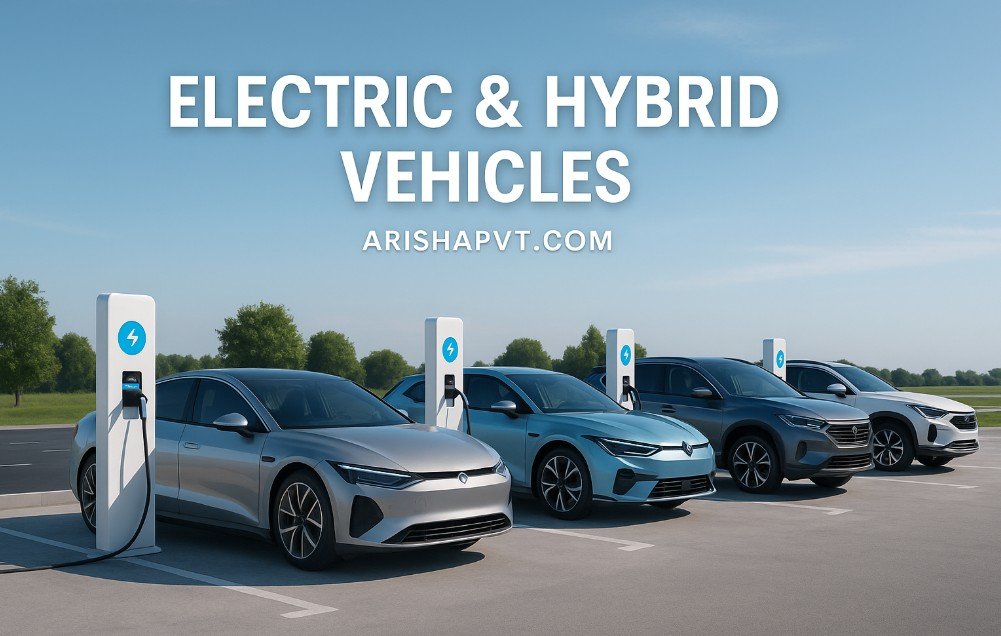
The US automotive market is rapidly shifting toward Electric & Hybrid Vehicles, driven by rising fuel costs, environmental awareness, and major advances in battery technology. Consumers today want cleaner, smarter, and more cost-efficient mobility solutions. As a result, EVs and hybrids are becoming mainstream across every segment—from compact sedans to full-size SUVs.
⭐ Why Electric & Hybrid Vehicles Are Growing in the US
Federal incentives, reduced maintenance costs, fast-charging networks, and long driving ranges have pushed more American drivers toward EVs. Hybrid vehicles continue to attract buyers who want improved fuel economy without fully switching to electric.
Related Reading:
How Can I Easily Choose a Mini Electric Car ?
Check this useful guide: Choose a Mini Electric Car on Helpfulhub.
⭐ EV & Hybrid Comparison Table (2025 US Market)
| Category | Electric Vehicles (EVs) | Hybrid Vehicles |
|---|---|---|
| Power Source | Fully electric battery | Gasoline + electric motor |
| Maintenance Cost | Very low | Medium |
| Range | 250–500 miles | 500–900 miles |
| Charging Need | Requires home/public charging | No charging required |
| Best For | Daily commuters, eco-conscious drivers | Long-distance drivers |
⭐ Top Trends in US Electric & Hybrid Vehicles (2025)
-
Affordable EV Models: More budget EVs under $30,000
-
Fast-Charging Networks: Expansion of Tesla Superchargers & public DC chargers
-
Hybrid SUVs: Highly popular among family & urban buyers
-
Solid-State Batteries: Expected to boost range and cut charging time
-
Software-Driven Cars: Over-the-air updates improving performance & safety
For deeper insights into advanced safety features like ADAS, check this useful guide: ADAS technology explained
⭐ Benefits for US Consumers
Electric & Hybrid Vehicles offer:
-
Lower fuel costs
-
Reduced carbon emissions
-
Fewer mechanical issues
-
Smooth driving experience
-
Government tax credits (up to $7,500)
As more brands compete—Tesla, Ford, Toyota, Hyundai, Rivian—the US market continues to innovate rapidly.