Toyota USA: Complete Brand History, Popular Models, Reliability, Hybrids, EVs and Buyer Guide
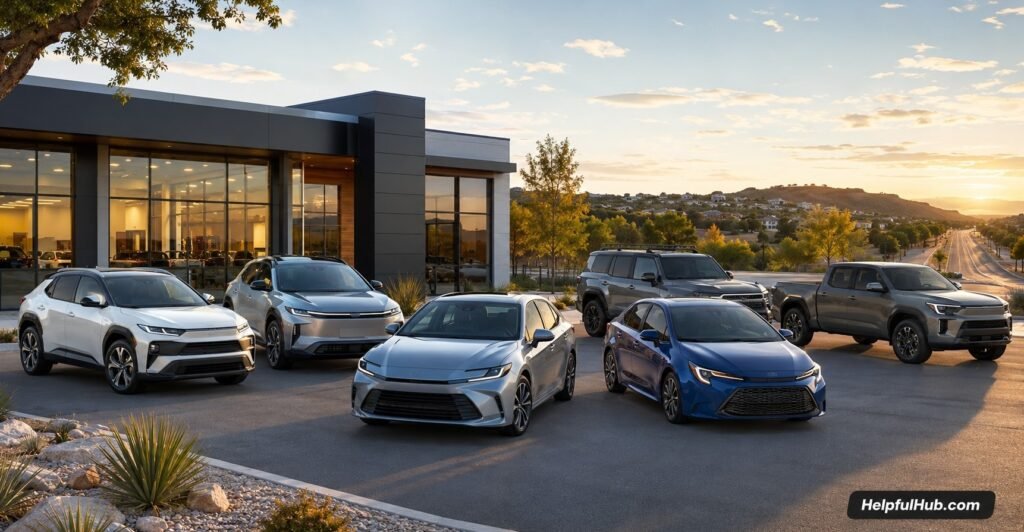
Toyota USA has become one of the strongest names in the American auto market because the brand connects with what many drivers actually need: dependable transportation, practical design, strong resale value, wide model choice, and long-term ownership confidence. From compact cars like the Corolla to family SUVs like the RAV4 and Highlander, from hybrid icons like the Prius to trucks like the Tacoma and Tundra, Toyota has built a deep relationship with US car buyers over several generations.
The Toyota brand in USA is not only about one popular model. It is about a complete ownership ecosystem. Buyers look at Toyota for daily commuting, family road trips, fuel savings, off-road use, used car value, hybrid technology, and future electric vehicles. Toyota’s reputation did not grow overnight. It came from decades of consistent product planning, dealer support, reliability, and smart adaptation to American roads and lifestyles.
This Toyota buyer guide USA covers the full picture: Toyota USA history, popular Toyota models USA, Toyota reliability USA, hybrid leadership, Toyota SUVs USA, Toyota trucks, electric vehicle plans, ownership cost, resale value, financing, insurance cost estimate factors, and the 2026 Toyota models USA outlook.
Quick Answer
Toyota USA is popular because it combines reliability, strong resale value, practical SUVs, dependable trucks, fuel-saving hybrids, and a growing EV future. US buyers choose Toyota for daily driving, family use, long-term ownership, and lower-stress maintenance. This buyer guide covers Toyota brand history, Toyota models USA, hybrid cars, electric vehicles, SUVs, trucks, ownership cost, financing, insurance factors, and 2026 Toyota models USA so shoppers can compare the brand before buying new, used, or certified pre-owned.
Table of Contents
- Toyota USA History: How Toyota Started in America
- Why Toyota Became So Popular in America
- Toyota Models USA: Cars, SUVs, Trucks, Hybrids and EVs
- Toyota Cars in USA: Camry, Corolla, Prius, Crown and Mirai
- Toyota SUVs USA: Family, Adventure and Hybrid Choices
- Toyota Trucks USA: Tacoma, Tundra and Hybrid Power
- Toyota Hybrid Cars USA: Why Toyota Leads the Hybrid Market
- Toyota Electric Vehicles USA and Future Mobility
- Toyota Reliability USA: Maintenance, Ownership Cost and Resale Value
- Toyota Safety, Interior and Technology Features
- New Toyota vs Used Toyota: Which One Should US Buyers Choose?
- Toyota Financing, Lease Deals and Insurance Cost in the USA
- Toyota vs Competitors in the US Market
- Best Toyota Models for Different US Buyers
- 2026 Toyota Models USA and Future Lineup Outlook
- Toyota Buyer Guide USA: How to Choose the Right Toyota
- Final Verdict: Why Toyota Still Matters in America
- Frequently Asked Questions About Toyota USA
Toyota USA History: How Toyota Started in America
Toyota’s American story started with a challenge. The company entered the United States market in the late 1950s, long before Japanese cars became common on American roads. Early Toyota vehicles had to compete with large domestic sedans, powerful American brands, and drivers who were still learning what a Japanese automaker could offer.
Toyota Motor Sales, U.S.A. helped build the foundation for Toyota in America. The early years were not instantly easy. Some early models did not fully match American highway expectations, but Toyota studied the market carefully. Instead of leaving, the company adjusted. That willingness to learn became a major reason Toyota USA later became so successful.
Early Toyota models gave the brand a foothold. The Land Cruiser helped show that Toyota could build rugged vehicles. The Corona helped Toyota better understand the American compact car buyer. Then the Corolla arrived and changed the brand’s position. It offered a simple, efficient, practical car at a time when many US drivers wanted affordable transportation. Over time, Corolla became one of Toyota’s most important global and American nameplates.
The Camry later pushed Toyota deeper into the heart of the American family sedan market. For many buyers, the Camry became a safe, comfortable, easy-to-own sedan that worked for commuting, family use, and long-distance driving. Camry also helped Toyota compete directly with the strongest midsize cars in the United States.
The Prius gave Toyota another major milestone. When hybrid vehicles were still new to many American drivers, the Prius became the face of fuel-saving technology. It helped build Toyota hybrid cars USA search demand and gave Toyota a leadership image in electrified vehicles long before many competitors had broad hybrid lineups.
Toyota’s SUV and truck expansion also shaped its US identity. RAV4 became a top choice for compact SUV buyers. Highlander gave families a three-row SUV option. 4Runner and Land Cruiser connected with adventure and off-road shoppers. Tacoma built a loyal midsize truck following, while Tundra gave Toyota a place in the full-size truck market.
Today, Toyota North America operates with a large US footprint that includes sales, engineering, manufacturing, research, dealer support, and corporate operations. The brand’s American success comes from more than imported vehicles. Toyota has invested in local operations, local jobs, local manufacturing, and products designed around American buyer needs.
That history matters because Toyota USA did not grow from one lucky model. It grew from decades of learning, adapting, and building trust. That is why Toyota still plays a major role in conversations about reliability, resale value, hybrid vehicles, SUVs, trucks, and future mobility.
Why Toyota Became So Popular in America
Toyota became popular in America because it solved everyday problems for real drivers. Many buyers do not want a vehicle that only looks exciting on a showroom floor. They want a car, SUV, hybrid, or truck that starts every morning, handles family needs, holds value, and does not create constant repair stress.
Toyota reliability USA has become one of the brand’s strongest search and buying signals. People often associate Toyota with long-term durability, simple maintenance, and high-mileage ownership. No vehicle brand is perfect, and every used vehicle depends on maintenance history, driving conditions, and model year. Still, Toyota has built a reputation that gives many buyers extra confidence.
Fuel economy also helped Toyota grow. Corolla, Camry, Prius, RAV4 Hybrid, Camry Hybrid, Corolla Hybrid, Highlander Hybrid, and other models appeal to drivers who want fewer fuel stops and predictable daily costs. In an era when gas prices can shift quickly, Toyota hybrid vehicles can feel practical rather than experimental.
Practical design gives Toyota another advantage. Many Toyota models focus on usable space, easy controls, clear visibility, cargo flexibility, and family-friendly layouts. That approach may not always feel flashy, but it works for commuters, parents, students, seniors, road-trip drivers, and used car buyers.
Resale value also plays a major role. Many Toyota vehicles hold strong used-market demand because buyers trust the brand. A higher resale value can reduce the real cost of ownership over time. It also helps when a buyer trades in a Toyota for another new or used vehicle.
The Toyota dealership network gives shoppers access to sales, service, parts, financing, certified pre-owned vehicles, and warranty support across the country. For many US buyers, a wide dealer network matters as much as the vehicle itself.
Toyota’s hybrid leadership also separates it from many competitors. While some brands moved quickly toward full EV messaging, Toyota continued to offer a wide hybrid lineup. That strategy fits many American households that want fuel savings without changing their driving routine around charging.
Key Reasons Toyota Is Popular in the USA
| Reason | Why It Matters for US Buyers |
|---|---|
| Reliability reputation | Many shoppers want a vehicle that can last for years with proper maintenance. |
| Fuel economy | Efficient gas and hybrid models can help reduce daily driving costs. |
| Hybrid leadership | Toyota offers hybrid choices across cars, SUVs, vans, and trucks. |
| Strong resale value | High used-market demand may help owners retain more value at trade-in time. |
| Practical vehicle design | Many Toyota models focus on comfort, cargo room, visibility, and simple usability. |
| Dealer network | A broad dealership presence helps buyers access service, parts, and financing. |
| Wide lineup | Toyota offers compact cars, sedans, SUVs, trucks, hybrids, EVs, and family vehicles. |
Toyota Models USA: Cars, SUVs, Trucks, Hybrids and EVs
Toyota models USA cover a wide range of buyer needs. A student may look at a Corolla. A commuter may compare Camry Hybrid and Prius. A family may choose RAV4, Highlander, Grand Highlander, or Sienna. An outdoor driver may prefer 4Runner, Land Cruiser, or Tacoma. A shopper interested in electrification may compare Toyota hybrid cars USA, plug-in hybrid choices, Mirai hydrogen availability, and Toyota electric vehicles USA.
This broad lineup gives Toyota a major advantage. Buyers can stay within the brand as their lives change. A first-time buyer may start with a used Corolla, move into a RAV4 Hybrid for family use, and later consider a Tacoma or Grand Highlander. That brand loyalty has helped Toyota build long-term trust in the United States.
Toyota cars remain important even as SUVs dominate the market. Corolla and Camry continue to attract buyers who want efficient daily transportation. Prius appeals to shoppers who prioritize hybrid efficiency. Crown gives Toyota a more premium sedan-style option. Mirai serves a more limited hydrogen fuel-cell market in areas where fueling support exists.
Toyota SUVs USA represent one of the brand’s most important growth areas. RAV4, Corolla Cross, Highlander, Grand Highlander, 4Runner, Land Cruiser, and Sequoia give Toyota coverage from compact utility to rugged off-road and three-row family needs.
Toyota trucks USA focus on durability, lifestyle use, towing, and off-road credibility. Tacoma remains one of the most recognized midsize trucks in America. Tundra gives Toyota a full-size pickup option for buyers who need more capability.
| Category | Popular Toyota Models | Best For |
|---|---|---|
| Cars | Corolla, Camry, Prius, Crown, Mirai | Commuters, students, sedan buyers, fuel-conscious drivers |
| SUVs | RAV4, Corolla Cross, Highlander, Grand Highlander, 4Runner, Land Cruiser, Sequoia | Families, road trips, cargo needs, adventure buyers |
| Trucks | Tacoma, Tacoma i-FORCE MAX, Tundra | Work, towing, outdoor lifestyles, off-road use |
| Hybrids | Prius, Camry Hybrid, Corolla Hybrid, RAV4 Hybrid, Highlander Hybrid, Sienna | Fuel savings, long commutes, family use, lower fuel stress |
| Electric and alternative fuel | Toyota bZ, bZ Woodland, C-HR EV, Mirai | EV shoppers, future mobility readers, select regional buyers |
The main reason is simple: cars can still offer strong value, easier parking, smooth commuting, and better fuel economy than many larger vehicles.
The Toyota Camry has long been one of the most recognized midsize sedans in America. It appeals to buyers who want comfort, dependability, and daily usability without moving into an SUV. Camry has served families, professionals, rideshare drivers, and commuters because it balances space, efficiency, and long-term trust.
The Toyota Corolla remains a key entry point into the brand. It is often considered by students, first-time buyers, budget-focused shoppers, and drivers who want simple transportation. Corolla also has a strong used-market presence, which makes it important for Toyota resale value USA discussions.
The Toyota Prius helped define the hybrid category. Even drivers who do not follow automotive news often know the Prius name. It became a symbol of fuel efficiency and gave Toyota a long-term hybrid advantage. For buyers with long commutes or city-heavy driving, Prius can still make sense as a practical fuel-saving car.
The Toyota Crown gives Toyota a more premium-feeling sedan-style option. It may appeal to shoppers who want comfort, technology, and a more distinctive design than a traditional compact or midsize sedan. It also shows that Toyota still sees room for car buyers who want something beyond basic transportation.
The Toyota Mirai serves a different role. It uses hydrogen fuel-cell technology and depends heavily on regional fueling availability. For most US shoppers, Mirai will not be the first Toyota to consider. But it remains part of Toyota’s broader future mobility strategy.
For daily driving, Toyota cars can offer lower ownership stress than many larger vehicles. They may cost less to insure than high-performance or luxury models, although Toyota insurance cost estimate USA depends on location, driver profile, coverage level, trim, repair costs, and safety features. Buyers should compare quotes before choosing a final model.
Toyota SUVs USA: Family, Adventure and Hybrid Choices
Toyota SUVs USA are central to the brand’s American success. SUVs fit how many US households live. They offer higher seating positions, flexible cargo space, family-friendly interiors, available all-wheel drive, and road-trip comfort. Toyota has built an SUV range that serves budget-minded shoppers, growing families, outdoor drivers, and premium utility buyers.
The Toyota RAV4 is one of the most important Toyota models USA. It fits compact SUV buyers who want efficiency, cargo space, easy maneuverability, and a strong reputation. For many shoppers, RAV4 sits in the sweet spot between sedan practicality and family SUV usefulness. The 2026 Toyota RAV4 buyer guide will be especially important for shoppers tracking Toyota’s hybrid direction.
The Corolla Cross gives buyers a smaller SUV option. It can make sense for drivers who like Corolla value but want extra cargo room and a higher seating position. It may appeal to students, young professionals, small families, and budget-focused SUV shoppers.
The Highlander and Grand Highlander serve families who need more space. Highlander has long worked as a three-row family SUV, while Grand Highlander offers extra room for buyers who want a larger cabin and more flexible passenger space. These models matter for shoppers comparing minivans, midsize SUVs, and large family vehicles.
The 4Runner connects with adventure buyers. It has built loyalty among drivers who value off-road ability, rugged styling, and long-term durability. The Land Cruiser adds heritage and capability, while Sequoia gives Toyota a large SUV option for buyers who need more space, towing confidence, and family utility.
Toyota’s SUV strength also comes from hybrid availability. RAV4 Hybrid, Highlander Hybrid, Grand Highlander Hybrid, and other electrified choices help families reduce fuel use without jumping straight into a full EV. For many American households, that balance feels realistic.
Popular Toyota SUVs in the USA
| Toyota SUV | Main Strength | Best Buyer Type |
|---|---|---|
| Toyota RAV4 | Balanced compact SUV practicality | Commuters, small families, first-time SUV buyers |
| Toyota Corolla Cross | Compact size with SUV usefulness | Budget buyers and city drivers |
| Toyota Highlander | Three-row family comfort | Families that need passenger space |
| Toyota Grand Highlander | More room and family flexibility | Larger families and road-trip buyers |
| Toyota 4Runner | Rugged adventure identity | Off-road and outdoor lifestyle buyers |
| Toyota Land Cruiser | Heritage, capability, and premium ruggedness | Adventure buyers who want Toyota heritage |
| Toyota Sequoia | Large SUV space and towing confidence | Large families and full-size SUV shoppers |
Toyota Trucks USA: Tacoma, Tundra and Hybrid Power
Toyota trucks USA have a different personality than Toyota cars and SUVs. Truck buyers often care about capability, toughness, towing, payload, bed use, off-road features, and resale value. Toyota has built strong truck loyalty through Tacoma and Tundra.
The Toyota Tacoma is one of the most recognizable midsize pickups in the United States. It appeals to buyers who want a truck for daily driving, weekend adventures, light work, camping, trail use, and outdoor hobbies. Many Tacoma owners value its size because it feels easier to park and maneuver than a full-size truck while still offering real pickup utility.
The Tacoma i-FORCE MAX brings hybrid power into the truck conversation. For 2026 Toyota Tacoma i-FORCE MAX review readers, the key idea is not only fuel economy. Hybrid truck systems can also support low-end torque, stronger response, and a modern driving feel. Availability, trims, and capability details can vary, so buyers should confirm final specifications at a Toyota dealership.
The Toyota Tundra gives Toyota a full-size truck option. It competes in one of America’s toughest automotive segments, where Ford, Chevrolet, GMC, and Ram have deep loyalty. Tundra attracts buyers who want Toyota durability in a larger pickup package. It can serve families, recreational towing, business use, and lifestyle buyers who want more space and power than Tacoma offers.
Towing needs deserve careful comparison. A buyer should never choose a truck based only on a headline number. Trailer weight, payload, passengers, cargo, hitch equipment, drivetrain, trim, tires, and driving conditions all matter. Toyota truck shoppers should check the exact configuration before making a final towing decision.
Resale value also helps Toyota trucks. Tacoma especially has a reputation for strong used-market demand. That can make a new or used Tacoma attractive for buyers who plan to sell or trade later. However, high resale value also means used Tacoma prices may stay higher than expected, so buyers should compare total value carefully.
Toyota hybrid cars USA have become one of the brand’s biggest strengths. Toyota did not treat hybrids as a short-term trend. It built hybrid technology into multiple body styles, including compact cars, midsize sedans, compact SUVs, three-row SUVs, minivans, and trucks.
The Prius legacy gave Toyota an early advantage. The Prius showed American buyers that a hybrid could work as a normal daily vehicle. It did not require home charging. It did not require a new fueling routine. Drivers could use it like any other car while saving fuel in many driving situations.
Camry Hybrid gives midsize sedan shoppers a fuel-saving option without giving up comfort. Corolla Hybrid gives budget-conscious drivers a practical way to reduce fuel use. RAV4 Hybrid may be one of the most important hybrid SUVs because it combines compact SUV practicality with Toyota’s hybrid reputation.
Highlander Hybrid and Grand Highlander Hybrid matter for families. Larger vehicles usually use more fuel, so hybrid systems can make a noticeable difference for families that drive often. Sienna also stands out because it brings hybrid efficiency into the minivan space, where family buyers care about fuel cost, cargo space, and comfort.
Toyota hybrid reliability is another major reason shoppers consider the brand. Many buyers now understand that Toyota has long experience with hybrid systems. Still, every hybrid buyer should review battery warranty coverage, maintenance history, service records, and total ownership expectations, especially when buying used.
The hybrid vs gas decision depends on driving habits. A gas Toyota may cost less upfront in some cases. A hybrid Toyota may save fuel over time. A buyer who drives many miles each year may benefit more from a hybrid than someone who drives only occasionally. Local fuel prices, commute type, purchase price, financing, and resale value all affect the real decision.
Best Toyota Hybrid Models for US Buyers
| Toyota Hybrid Model | Body Style | Best Use Case |
|---|---|---|
| Toyota Prius | Hybrid hatchback | Maximum fuel-conscious commuting |
| Toyota Camry Hybrid | Midsize sedan | Comfortable daily driving with better fuel economy |
| Toyota Corolla Hybrid | Compact sedan | Budget-friendly hybrid ownership |
| Toyota RAV4 Hybrid | Compact SUV | Small families, commuters, and practical SUV buyers |
| Toyota Highlander Hybrid | Three-row SUV | Family transportation with fuel savings |
| Toyota Grand Highlander Hybrid | Larger three-row SUV | Families needing more passenger and cargo room |
| Toyota Sienna Hybrid | Minivan | Family hauling, school runs, and road trips |
| Toyota Tacoma i-FORCE MAX | Midsize hybrid truck | Truck buyers who want torque and modern hybrid power |
Toyota Electric Vehicles USA and Future Mobility
Toyota electric vehicles USA are becoming more important as American buyers compare gas, hybrid, plug-in hybrid, battery-electric, and alternative-fuel options. Toyota’s approach has often been described as multi-pathway. That means the brand does not rely on one technology for every driver. Instead, Toyota offers different solutions for different markets, budgets, driving habits, and infrastructure realities.
The Toyota bZ name connects to Toyota’s battery-electric direction. The bZ lineup gives EV shoppers a Toyota option in a market where many drivers want zero tailpipe-emission driving but still care about reliability, dealer support, and familiar ownership experience.
The 2026 Toyota bZ Woodland electric SUV adds a more rugged and outdoors-oriented EV angle. It can appeal to shoppers who want electric driving with more utility-focused styling and capability. Availability can vary by region, trim, and dealership, so buyers should confirm final details before planning a purchase.
The 2026 Toyota C-HR EV range and price conversation will likely attract compact electric SUV shoppers. Toyota has highlighted the C-HR nameplate’s return to the US as an all-electric compact SUV. That matters because compact EV crossovers can appeal to urban drivers, young professionals, commuters, and buyers who want a smaller vehicle with modern technology.
Plug-in hybrids also play a role in Toyota’s future. A plug-in hybrid can help drivers complete shorter trips on electric power while still offering gasoline backup for longer drives. That may fit buyers who want some EV benefits but do not feel ready for a full EV.
The Toyota Mirai hydrogen fuel-cell vehicle represents another future mobility path. However, hydrogen fueling infrastructure remains limited in the United States. Mirai may work for select buyers in specific areas, but most shoppers should carefully check local fueling access before considering it.
Hybrid vs EV decisions should start with lifestyle. A hybrid may fit drivers who want fuel savings without charging. A plug-in hybrid may fit drivers with home charging and shorter daily trips. A full EV may fit buyers with charging access, predictable routes, and interest in electric driving. Toyota’s future in America will likely include all of these options rather than only one.
Toyota Reliability USA: Maintenance, Ownership Cost and Resale Value
Toyota reliability USA is one of the strongest reasons buyers search for Toyota before choosing a vehicle. Many shoppers believe Toyota vehicles can last a long time with proper maintenance. This reputation supports both new and used Toyota demand.
Maintenance cost can vary by model, mileage, driving conditions, parts prices, labor rates, and service history. A Corolla will not have the same maintenance profile as a Sequoia or Tundra. A hybrid model may have different inspection needs than a gas model. An older used Toyota may need wear-and-tear repairs even if the brand has a strong reputation.
Repair cost also depends on technology. Modern vehicles include sensors, cameras, driver-assistance systems, large screens, hybrid components, turbocharged engines, and advanced safety equipment. These features can improve the driving experience, but they can also affect repair costs after accidents or component failures.
Parts availability helps Toyota ownership. Because Toyota sells many vehicles in the United States, many common parts are widely available through dealerships, independent repair shops, and aftermarket suppliers. That can help reduce downtime compared with rare or low-volume vehicles.
Dealer service gives buyers another layer of support. Toyota dealership service departments can handle warranty work, recalls, maintenance, software updates, and certified pre-owned inspections. Independent mechanics also know many Toyota models well because the vehicles are common.
Toyota certified pre-owned vehicles can help buyers who want a used Toyota with more confidence than a private-party purchase. A CPO Toyota may include inspection standards and warranty coverage, although exact benefits can change by program and model year. Buyers should read the official CPO terms before signing.
Used Toyota demand often stays strong. That can help resale value, but it can also make used Toyota prices higher. A buyer should compare a used Toyota against a new Toyota, certified pre-owned Toyota, financing rates, warranty coverage, and expected ownership length.
Toyota Ownership Factors US Buyers Should Compare
| Ownership Factor | Why It Matters | Buyer Tip |
|---|---|---|
| Reliability history | Can reduce long-term ownership stress when paired with good maintenance. | Review model-specific owner feedback and maintenance records. |
| Maintenance cost | Oil changes, tires, brakes, fluids, and inspections affect total cost. | Estimate yearly maintenance before buying. |
| Repair cost | Advanced technology and body repairs may change repair expenses. | Check insurance and repair estimates for the exact model. |
| Parts availability | Common parts can make repairs easier and faster. | Ask local shops about parts availability for your chosen model. |
| Resale value | A stronger resale value can lower long-term ownership cost. | Compare projected trade-in values across competitors. |
| Certified pre-owned option | CPO vehicles may offer extra confidence for used Toyota buyers. | Read warranty terms and inspection coverage carefully. |
| Insurance cost | Premiums can vary by driver, ZIP code, trim, and coverage level. | Get quotes before finalizing the purchase. |
US buyers now expect more than reliability. They want driver assistance, smartphone connectivity, comfort, cargo space, family safety, and easy-to-use screens.
Toyota Safety Sense is one of the brand’s most important technology groups. It can include driver-assistance features that help with awareness, braking support, lane guidance, cruise control assistance, and other safety-related functions depending on model and trim. Buyers should check the exact version and feature list because Toyota Safety Sense can vary across model years.
Driver assistance features can help reduce stress, especially during highway driving and commuting. However, buyers should treat these systems as support features, not replacements for attentive driving. Every driver must stay alert and understand how each system works before relying on it.
Infotainment has become more important as buyers use navigation, music, phone calls, messaging support, and apps during daily driving. Many Toyota models offer Apple CarPlay and Android Auto support, although screen size, wireless capability, subscription services, and audio upgrades can vary by trim.
Comfort matters for families and daily drivers. Seat support, cabin noise, visibility, climate controls, rear-seat space, and cargo access can change the ownership experience. A Toyota that looks good online may feel different after a test drive, especially for taller drivers, parents with child seats, or seniors who want easy entry and exit.
Cargo space deserves real attention. RAV4, Highlander, Grand Highlander, Sienna, Sequoia, and other Toyota models serve very different cargo needs. A family that travels with strollers, sports gear, pets, or luggage should test the cargo area before buying.
The teen driver angle also matters. Parents often consider Toyota models for teens because they want reliability, safety features, manageable power, reasonable insurance, and good visibility. A used Corolla, Camry, Prius, or RAV4 may appear on many family shopping lists, but parents should check crash-test information, maintenance records, and insurance quotes for the exact vehicle.
New Toyota vs Used Toyota: Which One Should US Buyers Choose?
The new Toyota vs used Toyota decision depends on budget, warranty needs, financing rates, mileage, and ownership goals. Toyota’s strong reputation makes both options attractive, but each path has trade-offs.
A new Toyota gives buyers the latest design, full factory warranty, fresh technology, known ownership history, and more financing or lease options. New models may also include updated safety systems, new hybrid powertrains, improved infotainment, and better availability of specific trims or colors.
A used Toyota can offer lower purchase cost and slower depreciation, especially if the first owner already absorbed the biggest value drop. Used Toyota buyers may also find older models with simpler controls or lower insurance costs. However, used Toyota prices can stay high because demand is strong.
A certified pre-owned Toyota can sit between new and used. It may cost more than a standard used car, but it can provide more confidence through inspection and warranty support. This can make sense for buyers who want a lower price than new but do not want the uncertainty of a private sale.
Warranty coverage matters. A new Toyota generally gives the strongest factory coverage from the start. A used Toyota may have remaining warranty, no warranty, dealer warranty, third-party coverage, or CPO coverage. Buyers should confirm everything in writing.
Insurance can differ between new and used Toyota models. New vehicles may cost more to insure because replacement and repair costs can be higher. Used vehicles may cost less, but safety features, trim, location, driver history, and coverage limits still matter.
Financing also changes the math. A new Toyota may qualify for promotional financing or lease offers depending on market conditions. A used Toyota may have a lower price but a higher interest rate. Monthly payment alone does not tell the full story. Buyers should compare total interest, down payment, loan term, trade-in value, taxes, fees, and insurance.
New Toyota vs Used Toyota Comparison
| Buying Option | Pros | Cons | Best For |
|---|---|---|---|
| New Toyota | Latest features, full warranty, clean history, more trim choice | Higher purchase price and possible depreciation | Buyers who want long-term ownership and latest technology |
| Used Toyota | Lower price, strong value, wide market selection | Maintenance history may vary and warranty may be limited | Budget buyers and value-focused shoppers |
| Certified pre-owned Toyota | Inspection, possible warranty support, dealer-backed confidence | Costs more than many non-certified used cars | Used car buyers who want extra peace of mind |
| Leased Toyota | Lower commitment, newer vehicle cycle, predictable term | Mileage limits and no long-term ownership equity | Drivers who like changing vehicles every few years |
For a deeper comparison, readers can also review our future New car vs used car buying guide before choosing the right Toyota.
Toyota Financing, Lease Deals and Insurance Cost in the USA
Toyota financing USA is a key part of the buying process. Many shoppers focus on the vehicle first, then realize the payment structure can change the entire decision. A smart buyer compares purchase price, interest rate, loan term, down payment, trade-in value, taxes, fees, and insurance before signing.
Toyota lease deals may appeal to buyers who want a lower monthly payment, a newer vehicle cycle, and less long-term commitment. Leasing can work well for drivers with predictable mileage who keep vehicles in good condition. It may not fit buyers who drive many miles, customize vehicles, or want long-term ownership.
Auto loans give buyers ownership over time. A shorter loan may cost more per month but less in total interest. A longer loan may lower the monthly payment but increase total financing cost. Buyers should avoid choosing a vehicle only because the monthly payment looks comfortable. The total cost matters.
Credit score can affect interest rates. A stronger credit profile may help a buyer qualify for better loan terms. A lower credit score may lead to higher rates or require a larger down payment. Buyers can often improve their position by checking credit reports, reducing debt, and comparing lenders before visiting a dealership.
Trade-in value can reduce the amount financed. Toyota resale value USA can help owners who already drive a Toyota, especially if the vehicle has a clean history and good maintenance records. However, trade-in offers vary by dealership, local demand, vehicle condition, mileage, and market timing.
Toyota insurance cost estimate USA depends on many factors. A Corolla may cost less to insure than a large SUV or truck in many cases, but the final premium depends on the driver, location, age, driving record, credit-based insurance factors where allowed, coverage level, deductible, annual mileage, safety features, and repair cost.
Hybrid and EV insurance factors deserve attention. Hybrid and electric vehicles may include specialized components that can affect repair cost. At the same time, safety features may help in some insurance calculations. Buyers should compare quotes for the exact trim, not just the model name. Our future Car insurance cost estimate guide can help shoppers understand the key variables.
Buyers should also review our future Auto loan and financing guide before comparing Toyota lease deals, dealership financing, bank loans, and credit union offers.
Both brands have strong reputations for reliability, resale value, practical design, and family-friendly vehicles. Toyota often stands out for hybrid variety, while Honda remains strong in sedans, crossovers, and practical driving feel. The better choice depends on the model, price, dealer offer, test drive, and buyer priorities.
Toyota vs Ford often depends on category. Ford has deep strength in full-size trucks, performance models, and certain SUVs. Toyota stands out for hybrid efficiency, compact SUVs, midsize trucks, and long-term reliability reputation. A buyer comparing Tundra and F-150 or RAV4 and Escape should focus on use case, towing, fuel cost, resale, and dealer support.
Toyota vs Hyundai and Kia has become more competitive. Hyundai and Kia often offer bold design, strong feature lists, and attractive warranties. Toyota counters with resale value, hybrid experience, and long-term trust. Buyers should compare not only features but also depreciation, insurance, dealer service, and real ownership expectations.
Toyota vs Nissan often appears in compact cars, midsize sedans, SUVs, and trucks. Nissan may offer attractive pricing in some segments, while Toyota often attracts buyers who prioritize resale value and reliability reputation. Test drives and total cost comparisons matter here.
Toyota vs Subaru often comes down to AWD, adventure image, safety, and outdoor lifestyle. Subaru has a strong identity with standard or widely available all-wheel drive on many models. Toyota offers broader hybrid selection and a larger overall lineup. For some buyers, the choice may be RAV4 Hybrid vs Subaru Forester or 4Runner vs Subaru Outback depending on capability needs.
Reliability comparison should never rely only on brand reputation. Every brand has stronger and weaker models. Every vehicle has maintenance needs. A smart buyer should compare model year, engine, transmission, owner history, recall history, warranty, and inspection results.
Hybrid comparison remains one of Toyota’s strongest areas. Toyota has spent decades building hybrid systems across many categories. That gives Toyota an advantage with buyers who want fuel savings but do not want full EV ownership yet.
Best Toyota Models for Different US Buyers
The best Toyota model depends on the buyer. A daily commuter does not need the same vehicle as a contractor, a large family, a college student, or an off-road driver. Toyota’s lineup works well because it gives different buyers different answers.
Best Toyota Models by Buyer Type
| Buyer Type | Recommended Toyota Models | Why They Fit |
|---|---|---|
| Daily commuters | Corolla, Camry Hybrid, Prius, RAV4 Hybrid | Efficient, comfortable, easy to drive, and practical for routine use. |
| Families | RAV4, Highlander, Grand Highlander, Sienna, Sequoia | Strong passenger space, cargo flexibility, and family-friendly features. |
| Hybrid shoppers | Prius, Corolla Hybrid, Camry Hybrid, RAV4 Hybrid, Highlander Hybrid | Toyota offers hybrid options across several budgets and body styles. |
| EV shoppers | Toyota bZ, bZ Woodland, C-HR EV | These models support Toyota’s growing battery-electric direction. |
| Truck buyers | Tacoma, Tacoma i-FORCE MAX, Tundra | Good for work, towing, outdoor use, and lifestyle needs. |
| Off-road buyers | 4Runner, Land Cruiser, Tacoma, Tacoma Trailhunter-style trims | Rugged platforms and adventure-focused Toyota heritage. |
| Used car buyers | Corolla, Camry, RAV4, Prius, Tacoma | High demand, strong reputation, and wide used-market availability. |
| Budget buyers | Corolla, Corolla Cross, used Camry, used RAV4 | Practical value and lower ownership stress than many larger vehicles. |
| Students | Corolla, Prius, Corolla Hybrid, used Camry | Efficient, easy to park, and often sensible for school commuting. |
| Seniors | Camry, RAV4, Corolla Cross, Crown | Comfort, visibility, easy access, and practical technology options. |
Family-focused readers may also compare our future Best hybrid SUVs for US families guide when choosing between RAV4 Hybrid, Highlander Hybrid, Grand Highlander Hybrid, and other Toyota SUV options.
2026 Toyota Models USA and Future Lineup Outlook
For 2026 model-year shoppers, Toyota USA is especially interesting because the brand is pushing deeper into hybrids, electric SUVs, rugged utility, and updated family vehicles. Availability can vary by region, trim, and dealership, so buyers should always confirm local inventory and official specifications before making a purchase decision.
The 2026 Toyota RAV4 is one of the most important future Toyota models for American buyers. Toyota has highlighted the new RAV4 with a stronger electrified direction, and the model remains central to compact SUV shopping. Many buyers will watch the 2026 Toyota RAV4 buyer guide closely because RAV4 has become a benchmark for practical Toyota SUVs USA.
The 2026 Toyota C-HR EV brings the C-HR name back to the US market as an electric compact SUV. This model may appeal to shoppers who want a smaller Toyota EV with modern styling, all-electric driving, and compact utility. Buyers searching for 2026 Toyota C-HR EV range and price should wait for the latest official details and compare charging access before deciding.
The 2026 Toyota bZ continues Toyota’s battery-electric direction. It gives Toyota a place in the EV conversation for buyers who want a familiar brand and an electric SUV-style package. The Toyota bZ Woodland adds a more rugged electric SUV angle. Our future 2026 Toyota bZ Woodland electric SUV guide can cover trim details, capability expectations, charging considerations, and buyer fit.
The 2026 Toyota Camry Hybrid guide will matter because Camry remains one of America’s most recognized sedans. As Toyota leans further into hybrid power, Camry Hybrid can attract commuters and families who still prefer a sedan over an SUV.
The 2026 Toyota Corolla and Corolla Hybrid will remain important for budget-minded buyers, students, and daily commuters. Corolla gives Toyota a strong entry point in the US market, while Corolla Hybrid adds fuel-saving appeal. A future 2026 Toyota Corolla Hybrid buyer guide can help shoppers compare trims, ownership cost, and daily driving value.
The 2026 Toyota 4Runner is important for off-road and adventure buyers. The latest generation brings modern technology and available hybrid power in certain configurations, while keeping the rugged 4Runner identity that many Toyota fans value.
The 2026 Toyota Tacoma i-FORCE MAX continues Toyota’s hybrid truck push. For truck buyers, the hybrid angle is not only about efficiency. It can also support torque, responsiveness, and a modern truck feel. Our future 2026 Toyota Tacoma i-FORCE MAX review can explore daily driving, off-road use, towing considerations, and ownership cost.
The future Toyota Highlander EV or three-row electric SUV angle will also attract attention. Toyota has signaled broader electrified SUV ambitions, and US families will continue to watch for electric three-row options. A future 2026 Toyota Highlander EV release date article can cover official updates when Toyota confirms more details.
For shoppers who want the full future lineup, our upcoming 2026 Toyota Models USA guide can organize RAV4, C-HR EV, bZ, bZ Woodland, Camry Hybrid, Corolla Hybrid, 4Runner, Tacoma i-FORCE MAX, and other Toyota updates in one place.
Toyota Buyer Guide USA: How to Choose the Right Toyota
A strong Toyota buyer guide USA starts with your real lifestyle, not the most popular model. The right Toyota depends on how many people you carry, how far you drive, where you live, what roads you use, and how long you plan to keep the vehicle.
Start with budget. Include purchase price, taxes, fees, insurance, fuel, maintenance, repairs, tires, financing interest, and depreciation. A lower monthly payment may not mean a lower total cost. A higher resale value may make a more expensive Toyota easier to justify over time.
Next, look at family size. A single commuter may do well with Corolla, Prius, Camry, or Corolla Cross. A small family may prefer RAV4 or RAV4 Hybrid. A larger family may need Highlander, Grand Highlander, Sienna, or Sequoia. A buyer who often carries tools, outdoor gear, or trailers may need Tacoma or Tundra.
Fuel economy should match your driving pattern. City drivers and long-distance commuters may benefit from hybrid models. Drivers who tow often or travel in remote areas may care more about power, range, and payload. EV shoppers should evaluate home charging, public charging, road-trip needs, and local electricity costs.
Hybrid vs gas vs EV is one of the most important decisions. A gas Toyota may work well for buyers who want lower upfront cost or simpler shopping. A hybrid Toyota can reduce fuel use without requiring charging. A plug-in hybrid can help if you can charge at home. A full EV can make sense if your driving routine and charging access support it.
SUV vs sedan vs truck also matters. Sedans can offer strong fuel economy and easier parking. SUVs give more cargo flexibility and higher seating. Trucks provide utility but may cost more to fuel, insure, and park. Buyers should avoid buying more vehicle than they need unless they truly use the capability.
Insurance should be checked early. Get quotes for the exact Toyota model and trim before buying. A higher trim with expensive wheels, advanced lighting, or more technology may cost more to repair. Teen drivers and first-time buyers should pay special attention to insurance premiums.
Financing should be compared across dealerships, banks, credit unions, and manufacturer offers. Look at total loan cost, not only monthly payment. A longer loan can make a Toyota feel affordable while increasing total interest.
Resale value should also guide the decision. Toyota resale value USA can help long-term owners, but not every model, trim, color, or configuration performs the same. Popular models with clean histories often attract stronger used demand.
Toyota Test Drive Checklist
| Checklist Item | What to Check | Why It Matters |
|---|---|---|
| Seat comfort | Front and rear seat support, driving position, visibility | You will notice discomfort after daily use, not only during a short test drive. |
| Cargo space | Trunk, hatch, third-row storage, fold-flat flexibility | Family gear, luggage, strollers, and tools need real usable space. |
| Technology | Screen response, phone connection, controls, audio | Hard-to-use tech can become annoying over time. |
| Road feel | Acceleration, braking, steering, cabin noise | Comfort and confidence matter for daily driving. |
| Hybrid or EV behavior | Power delivery, charging needs, fuel-saving display | Electrified vehicles should fit your routine naturally. |
| Dealer questions | Warranty, service plan, fees, availability, financing | Clear answers help avoid surprises after purchase. |
Before signing, ask the dealership about out-the-door price, warranty coverage, dealer add-ons, available incentives, delivery timing, service schedule, financing terms, and trade-in value. A calm comparison can save money and prevent regret.
Final Verdict: Why Toyota Still Matters in America
Toyota still matters in America because it has built trust across generations of drivers. Toyota USA history shows a brand that entered a difficult market, learned from early mistakes, and built a long-term relationship with American buyers through practical products and consistent improvement.
Reliability remains one of Toyota’s strongest advantages. Many drivers choose Toyota because they want a vehicle that can serve them for years with proper care. That trust supports Toyota ownership cost USA, Toyota resale value USA, and strong used Toyota demand.
Hybrid leadership gives Toyota another major advantage. While the market debates gas vs EV, Toyota hybrid vehicles give many buyers a realistic middle path. Prius, Camry Hybrid, Corolla Hybrid, RAV4 Hybrid, Highlander Hybrid, Grand Highlander Hybrid, Sienna, and hybrid truck options show how deeply Toyota has built electrification into its lineup.
Toyota SUVs and trucks also keep the brand relevant. RAV4, Highlander, Grand Highlander, 4Runner, Land Cruiser, Sequoia, Tacoma, and Tundra cover the needs of families, commuters, outdoor drivers, and truck buyers. This wide coverage helps Toyota compete in the most important US vehicle segments.
The EV future adds another layer. Toyota electric vehicles USA, including bZ models and the C-HR EV direction, show that the brand is expanding its battery-electric options while still supporting hybrids, plug-in hybrids, and other future mobility paths.
For many US buyers, Toyota remains a smart choice because it balances reliability, practicality, fuel savings, resale strength, dealer support, and future-focused technology. The best Toyota is not the same for every person, but the brand gives shoppers a wide range of strong options. That is why Toyota USA remains one of the most important names in the American automotive market.
Frequently Asked Questions About Toyota USA
Is Toyota a reliable brand in the USA?
Yes, Toyota has a strong reliability reputation in the USA. Many buyers choose Toyota because models like Corolla, Camry, RAV4, Prius, Tacoma, and Highlander have built long-term trust. Reliability still depends on maintenance, driving conditions, model year, and ownership history, especially when buying used.
Why is Toyota so popular in America?
Toyota is popular in America because it offers practical vehicles, strong resale value, fuel-efficient hybrids, family-friendly SUVs, dependable trucks, and a broad dealer network. Many US buyers also trust Toyota for long-term ownership and lower-stress maintenance.
What are the most popular Toyota models in the USA?
Popular Toyota models in the USA include Corolla, Camry, Prius, RAV4, Highlander, Grand Highlander, 4Runner, Tacoma, Tundra, Sienna, and Sequoia. The best model depends on whether the buyer needs a commuter car, family SUV, hybrid, truck, or off-road vehicle.
Which Toyota SUV is best for families?
The Toyota RAV4 can work well for small families, while Highlander and Grand Highlander may fit families that need more passenger room. Sienna is also a strong family choice for buyers who want minivan practicality. Large families may compare Sequoia if they need more space and towing ability.
Are Toyota hybrid cars worth buying?
Toyota hybrid cars can be worth buying for drivers who want better fuel economy without switching to a full EV. Prius, Camry Hybrid, Corolla Hybrid, RAV4 Hybrid, Highlander Hybrid, and Sienna Hybrid are popular choices. Buyers should compare purchase price, fuel savings, warranty, and resale value.
Does Toyota sell electric vehicles in the USA?
Yes, Toyota sells and is expanding electric vehicle options in the USA. Toyota bZ models, bZ Woodland, and the C-HR EV direction are part of Toyota’s growing battery-electric lineup. Availability can vary by region, trim, and dealership.
Is Toyota better than Honda?
Toyota and Honda are both strong brands in the US market. Toyota often stands out for hybrid variety and resale value, while Honda offers practical cars and SUVs with strong driving appeal. The better choice depends on the exact model, price, features, and test drive.
Which Toyota has the best resale value?
Toyota Tacoma, 4Runner, RAV4, Corolla, Camry, and some hybrid models often attract strong used-market demand. Resale value depends on mileage, condition, trim, accident history, location, fuel prices, and market timing.
Are Toyota cars expensive to maintain?
Many Toyota cars are considered reasonable to maintain compared with some luxury or performance vehicles. Maintenance cost depends on the model, age, mileage, parts, labor rates, and service history. Larger SUVs, trucks, hybrids, and EVs may have different cost profiles than compact cars.
Should I buy a new Toyota or used Toyota?
A new Toyota works well if you want the latest features, full warranty, and a clean history. A used Toyota may offer better upfront value, while a certified pre-owned Toyota can add inspection and warranty confidence. Compare total cost, financing, insurance, and maintenance before choosing.
What Toyota model is best for daily driving?
Corolla, Camry, Prius, Corolla Hybrid, Camry Hybrid, RAV4, and RAV4 Hybrid are strong Toyota daily-driving choices. The best option depends on commute length, fuel budget, parking space, passenger needs, and whether the buyer prefers a sedan, hatchback, or SUV.
What are the important 2026 Toyota models in the USA?
Important 2026 Toyota models in the USA include the 2026 Toyota RAV4, 2026 Toyota C-HR EV, Toyota bZ, bZ Woodland, 2026 Toyota Camry Hybrid, 2026 Toyota Corolla and Corolla Hybrid, 2026 Toyota 4Runner, and 2026 Toyota Tacoma i-FORCE MAX. Availability and details can vary by region and trim.